Soft Washing vs. Pressure Washing: What Your Home Actually Needs
The green film on your siding, the black streaks on the roof, the gray fuzz on the deck — all of it comes off with water. The question is how much force the water should carry, because the two standard answers, pressure washing and soft washing, are opposite philosophies. Pressure washing cleans by force: high-pressure water blasts contamination off the surface. Soft washing cleans by chemistry: detergents applied at low pressure kill and loosen the growth, and a gentle rinse carries it away. Choosing wrong isn't just less effective — on the wrong surface, high pressure does damage that costs real money. This guide sorts out which method each surface of your home actually needs.
The Two Methods, Precisely
Pressure washing uses a pump to push water at 1,300 to 3,100+ PSI through a narrow tip. The force does the work. It's the right tool for hard, durable, unfinished surfaces — and a destructive one for almost everything with a finish, a seal, or a soft grain.
Soft washing uses ordinary garden-hose-level pressure (under a few hundred PSI) to apply a detergent solution — typically built around sodium hypochlorite (the active ingredient in household bleach, professionally diluted) plus surfactants that help it cling and penetrate. The solution kills algae, mildew, and mold at the root instead of just removing the visible layer, dwells for minutes, and is rinsed off gently.
That last difference matters more than the cleaning itself: pressure washing a biological problem removes the surface growth but leaves the roots and spores in place, so the green comes back faster. A proper soft wash kills the organism, which is why soft-washed siding typically stays clean noticeably longer than pressure-washed siding.
Surface by Surface
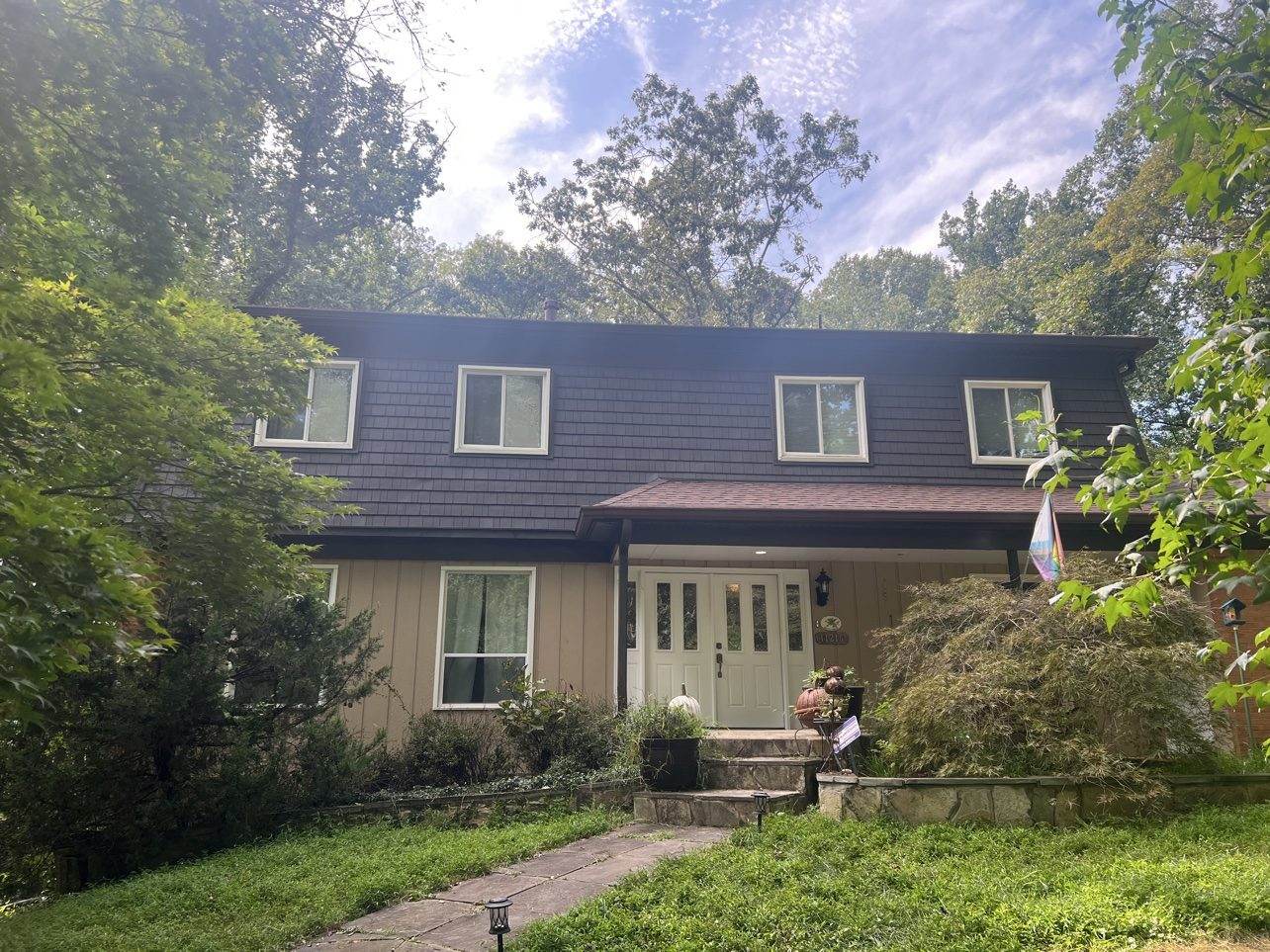
Vinyl and fiber-cement siding: soft wash. High pressure can crack brittle vinyl, force water up and behind the panels (vinyl is a rain screen, not a sealed surface — our siding guide explains what that trapped water does), and leave permanent wand stripes in the oxidation layer. Soft washing is the method siding manufacturers themselves recommend. Condition matters as much as material: heavily oxidized, chalky vinyl can streak visibly if the solution is too strong or applied unevenly, so dilution and technique adjust to the siding in front of you, not just the label on it.
Asphalt shingle roofs: soft wash only. The black streaks on roofs are a living algae, and the fix is a low-pressure treatment. Pressure on shingles strips the protective granules — visibly, measurably shortening the roof's life — and shingle manufacturers' care guidance specifies low-pressure chemical cleaning. Any company proposing to pressure wash a shingle roof is telling you something about itself. Follow your shingle manufacturer's published cleaning guidance — it governs both the method and the chemistry, and it's the document your warranty points to.
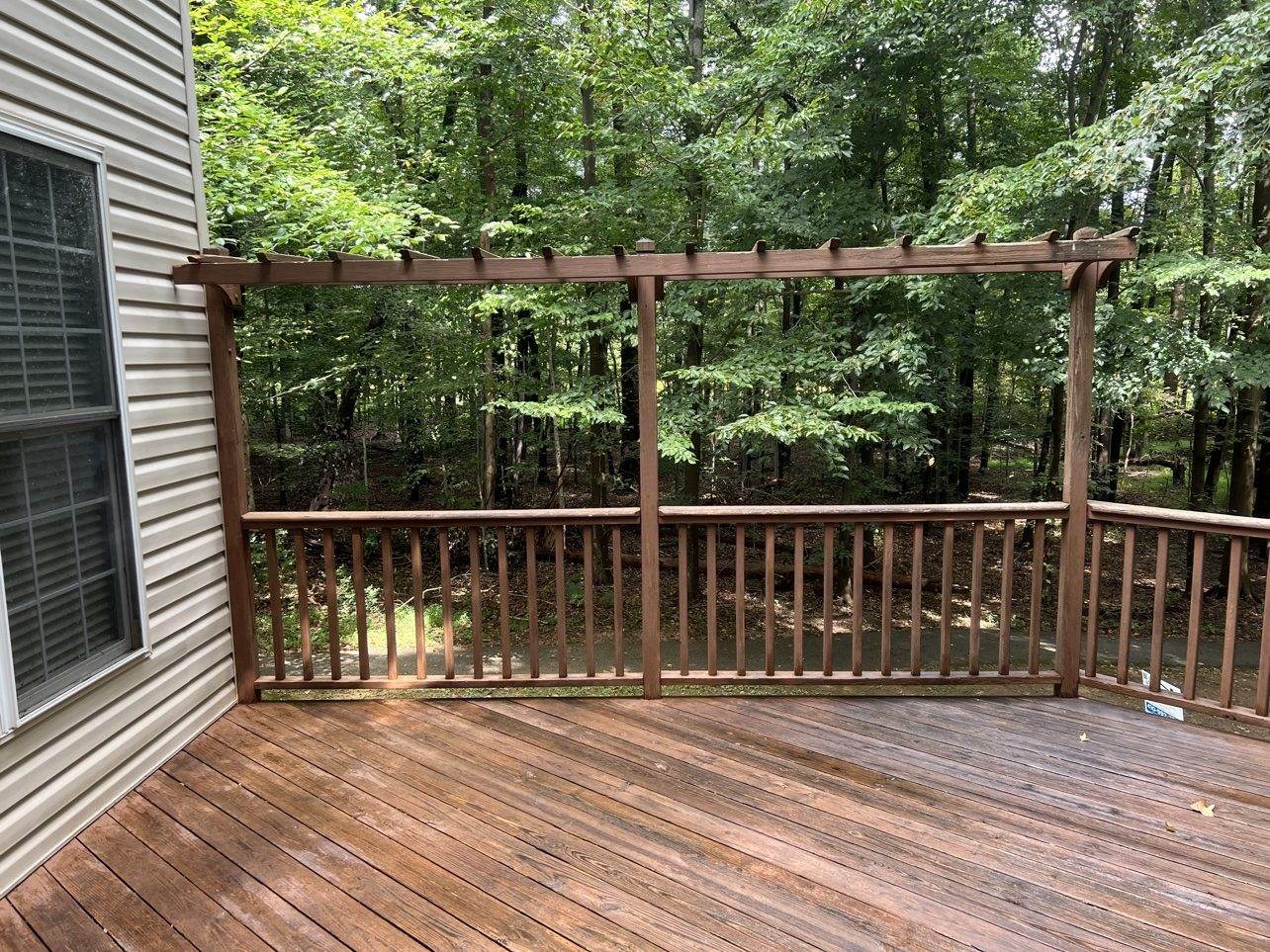
Wood decks: low pressure, carefully, or soft wash and brightener. Wood is the surface pressure washing ruins most often. Too much pressure furs the grain — raising a fuzzy, splinter-prone surface that then drinks stain unevenly and fails early (deck prep is covered in our deck restoration cost guide). The professional standard is chemical cleaning, a low-pressure rinse, and a brightener to restore the wood's tone and neutralize the cleaner before staining.
Concrete, pavers, and stone: pressure wash. This is pressure's home turf — driveways, walkways, patios. Even here there are limits: use a surface cleaner attachment for even results, keep pressure moderate on older or spalling concrete, and be careful at the joints of pavers, where a wand blasts out the joint sand.
Brick: it depends on age. Sound modern brick tolerates moderate pressure. Old, soft brick and lime mortar — common on Baltimore rowhouses and older homes everywhere — erode under pressure that's fine for concrete; the mortar joints go first. When in doubt, soft wash and let chemistry work longer.
Metal roofing: check the manufacturer before any chemical wash. Painted metal panels carry finish warranties, and many manufacturers approve only specific detergents — some restrict chlorine-based solutions entirely, because the wrong chemistry can attack the finish and fasteners. What a panel maker allows for its architectural finish and what a generic soft-wash mix contains are not automatically the same thing.
Cedar shake and wood shingles: different chemistry altogether. Standard bleach-based soft-wash mixes can damage wood fibers and strip the natural compounds that make cedar resist decay. Wood roofing has its own cleaners and restorers, and its own guidance from manufacturers and the cedar shake industry. Treat it as a separate specialty, not as siding that happens to be on the roof.
Screens, windows, painted wood, and fences: soft. Painted surfaces chip under pressure; screens tear; fence wood furs just like a deck.
The Chemistry, Honestly
Soft washing means putting a bleach-based solution on your house, so the reasonable questions deserve straight answers. The solutions are diluted far below hardware-store bleach strength by the time they reach the wall, they dwell briefly, and they're rinsed thoroughly. The legitimate risk is landscaping: sodium hypochlorite burns plant leaves on contact. Professionals manage it by pre-wetting plants, covering sensitive plantings, assigning a person to rinse continuously, and flushing soil afterward — and a homeowner doing it DIY should copy that routine exactly, or hire the job out. Pets and kids stay inside until surfaces are rinsed and dry. On the environmental ledger, both methods have one: pressure washing uses more water and can drive contaminants into soil at force; soft washing uses chemistry that rinses to salt water at these dilutions. Neither is impact-free; both are standard, accepted practice when done carefully.
One rule overrides every generalization in this article: there is no universal soft-wash mix. Concentration, dwell time, and even whether a chlorine-based solution belongs on the surface at all vary with the material, its age and condition, and the manufacturer's published cleaning instructions — some materials' guidance restricts sodium hypochlorite outright. Failing paint, chalked and oxidized surfaces, and deteriorated mortar all lower what a surface can safely take. Professionals adjust the mix to the wall in front of them and test an inconspicuous spot when there's any doubt; homeowners should copy that caution, and treat manufacturer guidance as the final authority wherever it speaks.
What Pressure Damage Looks Like
- Etched, striped siding that shows wand passes in certain light — permanent in oxidized vinyl.
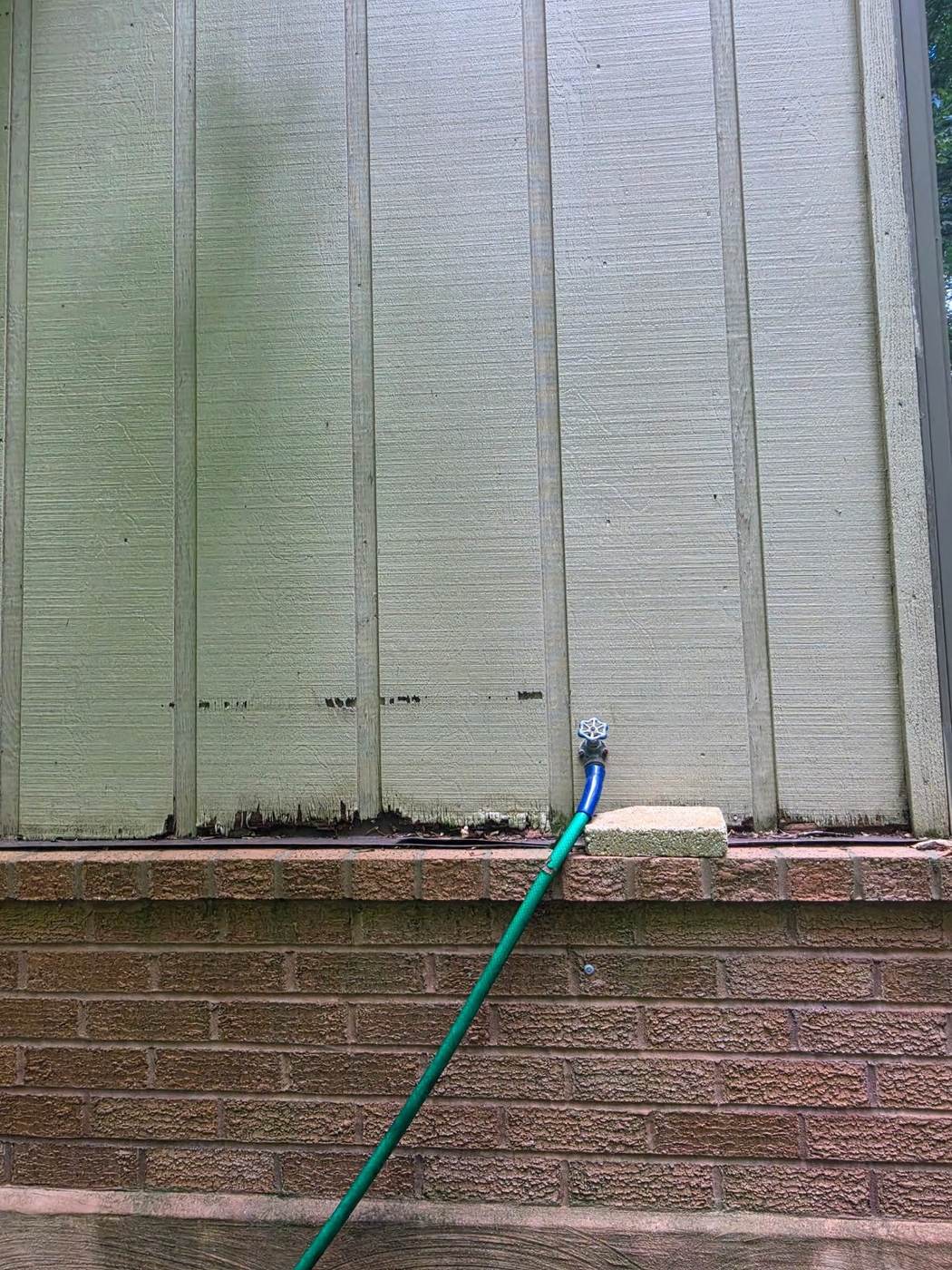
- Water behind siding appearing later as interior stains, musty walls, or the rot shown below — the bill arrives months after the wash.
- Furred deck boards — fuzzy raised grain that splinters and sabotages the next stain job.
- Granules in the gutters after a roof "cleaning" — that's the roof's protective surface, gone.
- Blasted mortar joints and pitted brick faces on older masonry.
DIY or Hire It Out?
A consumer pressure washer is a reasonable purchase for concrete, pavers, and prepping hard surfaces — used with a wide fan tip, distance, and patience. DIY soft washing is equally feasible for single-story siding with a pump sprayer or a washer's detergent injector and low-pressure tip, provided you follow the plant-protection routine. Hire it out when the work is two stories up, on a roof of any steepness, on old brick, or when the house is surrounded by landscaping you'd rather not replant. Professionals bring the soft-wash rig (dedicated low-pressure pumps and proportioners), the insurance, and the ladder time — for most two-story homes, the price is a few hundred dollars and the risk transfer alone is worth it.
The Bottom Line
Match the method to the surface, not to the machine in the garage: if it's alive (algae, mildew, mold) or it has a finish you care about, soft wash it. If it's hard mineral surface — concrete, stone, sound pavers — pressure is fine. And any time someone proposes high pressure for a roof or siding, you've learned what you need to know about that proposal. And before any chemical treatment, check the manufacturer's cleaning guidance for the specific material on your home — where it differs from general advice, including this guide, the manufacturer wins.